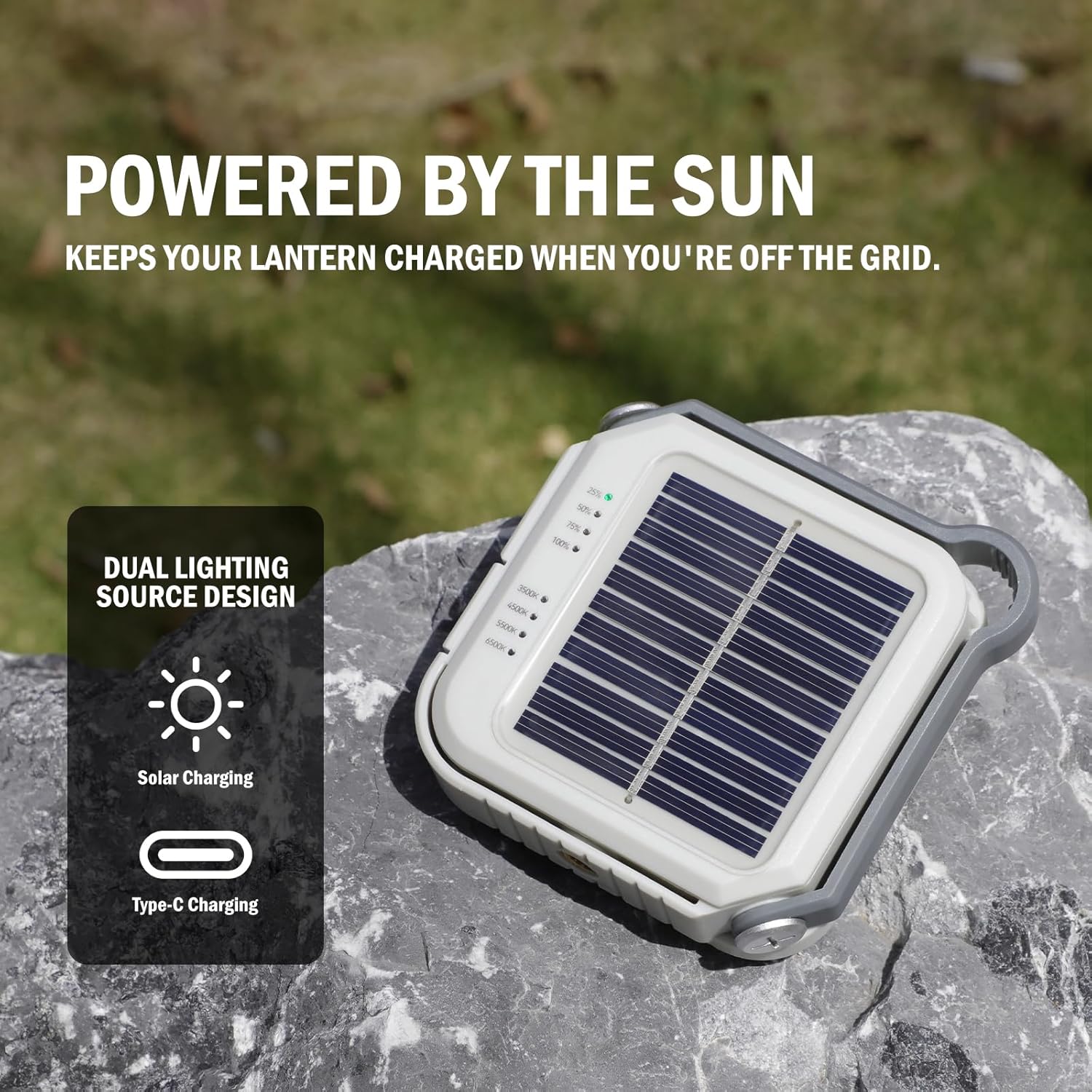
Flashlights, Pocket Lights, and Headlamps: How to Choose the Right Portable LED Light

When selecting a flashlight, consider its light output, beam distance, power source, runtime, weight, and housing durability. The most powerful flashlight is not always the most practical. For everyday use, a comfortable grip, multiple brightness levels, and long battery life are often more important than maximum output.
How to Choose the Right Portable LED Light
Before purchasing a light, consider where you will use it and how frequently it will be needed. A basic flashlight or pocket light is suitable for use at home or in a vehicle, while a headlamp is better for walking in the dark or completing tasks that require both hands.
Compare the following specifications:
Light output, measured in lumens
Beam distance and beam width
Number of operating modes
Battery type and power source
Runtime
Product size and weight
Water, dust, and impact resistance
Accessories and carrying options
For models powered by replaceable batteries, make sure compatible batteries are readily available.
Handheld flashlights are highly versatile and suitable for homes, workshops, vehicles, outdoor recreation, and emergency situations. They provide directional lighting for inspecting dark spaces, locating objects, walking at night, and responding to unexpected situations.
When choosing a handheld flashlight, check the shape of the handle, the position of the switch, and whether the beam can be adjusted. Models with multiple brightness levels allow users to match the output to different distances and environmental conditions while extending battery runtime.
Larger LED flashlights may provide a longer beam distance and extended runtime, but they are generally heavier. If you need to carry the flashlight frequently, choose a model that offers the right balance of brightness, size, weight, and runtime.
Pocket lights are compact and lightweight enough to store in a bag, drawer, pocket, vehicle, or toolbox. They are ideal for quick everyday lighting and can also serve as backup lights during a power outage.
Some pocket lights include a pocket clip, magnetic base, or keyring for convenient carrying and hands-free use. Before purchasing, check whether the switch is protected against accidental activation and whether the housing is durable enough for the intended application.
When keeping a flashlight at home, store it in a familiar and easily accessible location. If it uses replaceable batteries, keep a spare set nearby.
A headlamp is secured around the head with an adjustable strap, allowing the user to work with both hands free. Headlamps are particularly useful for repairs, running, hiking, camping, fishing, basement work, and other activities performed in low-light environments.
When choosing a headlamp, consider:
Strap adjustability and wearing comfort
Overall weight
Adjustable beam angle
Available brightness levels
Runtime
Water and weather resistance
A wide-beam headlamp is well suited to close-range work, while a more focused beam is better for walking, route finding, and identifying objects at longer distances.
Choosing a High-Powered Flashlight
When comparing high-powered flashlights, do not focus only on lumen output. Actual beam distance, beam pattern, runtime at maximum output, heat management, and housing construction are equally important.
For long-distance visibility, choose a narrower and more focused beam. For close-range work or illuminating a larger moving area, a wider and more evenly distributed beam is usually more suitable.
Extremely high brightness can drain the battery quickly, which is why multiple operating modes are valuable. They allow users to select the appropriate output and conserve battery power when maximum brightness is unnecessary.
Never shine a high-powered flashlight directly into the eyes of people or animals.
Battery-Powered or Rechargeable Flashlights?
Flashlights powered by replaceable batteries are suitable for occasional use and situations where charging facilities may not be available. Carrying spare batteries makes it possible to restore operation immediately.
Rechargeable flashlights use either a built-in or removable rechargeable battery and are generally more convenient for frequent use. Before purchasing, check:
Charging time
Charging port type
Runtime at different brightness levels
Whether the battery can be replaced
Battery-level and charging indicators
For LED flashlights that are not used regularly, inspect the battery periodically. Never use a battery that is damaged, swollen, leaking, or showing other signs of deterioration.
Flashlights for Vehicles and Emergencies
A compact handheld flashlight or pocket light is a practical addition to any vehicle emergency kit. It can be used during a breakdown, while changing a tire, when searching for items inside the vehicle, or when walking in the dark.
For vehicle use, choose a flashlight that is:
Compact and easy to store
Resistant to minor impacts
Simple to operate
Bright enough for close-range work
Equipped with a long-lasting battery
Whenever possible, store the light where it can be reached easily rather than underneath other equipment.
Flashlights for Hiking and Camping
Headlamps are especially useful for hiking because they improve visibility while leaving both hands available for trekking poles, equipment, cooking, or setting up camp. When selecting a headlamp, pay attention to its weight, wearing comfort, water resistance, and runtime at medium brightness.
A handheld flashlight can provide longer-range illumination or serve as a backup light. For extended outdoor trips, carry spare batteries or a fully charged backup battery.
Battery performance may decrease in cold weather, so test and fully charge your lighting equipment before departure.
Durability and Safe Use
For outdoor applications, check the product’s water- and dust-resistance rating. An IP rating applies only under the conditions specified by the manufacturer. Do not expose the light to water, dust, pressure, or environmental conditions beyond its stated technical limits.
Protect the light from:
Severe impacts
Excessive temperatures
Open flames
Water entering the charging port
Incompatible batteries or chargers
Unattended charging for extended periods
Do not use a light with a damaged housing, charging connector, cable, or battery. If the product becomes unusually hot during operation or charging, stop using it and follow the manufacturer’s safety instructions.
Handheld LED Flashlight, Pocket Light, or Headlamp?
A handheld LED flashlight is ideal for directional lighting and longer-distance visibility. A pocket light is compact, easy to carry, and suitable for everyday use. A headlamp is the most practical choice when you need to keep both hands free.
Before making a purchase, compare brightness, beam distance, power source, runtime, weight, durability, and carrying options. The right portable light should match your specific needs, whether it is intended for the home, workshop, vehicle, emergency kit, or outdoor activities.
WARSUN develops professional portable lighting solutions, including LED flashlights, EDC pocket lights, rechargeable headlamps, work lights, camping lights, and emergency lighting products. We also provide OEM and ODM product development, branding, packaging, and manufacturing services for distributors, retailers, and international lighting brands.
How to Choose the Right LED Flashlight: A Complete Buyer’s Guide for Outdoor, Emergency & EDC Use
Related Article